Fotona Laser Treatments Encino, CA: Common Questions Answered
@beckettwwol246

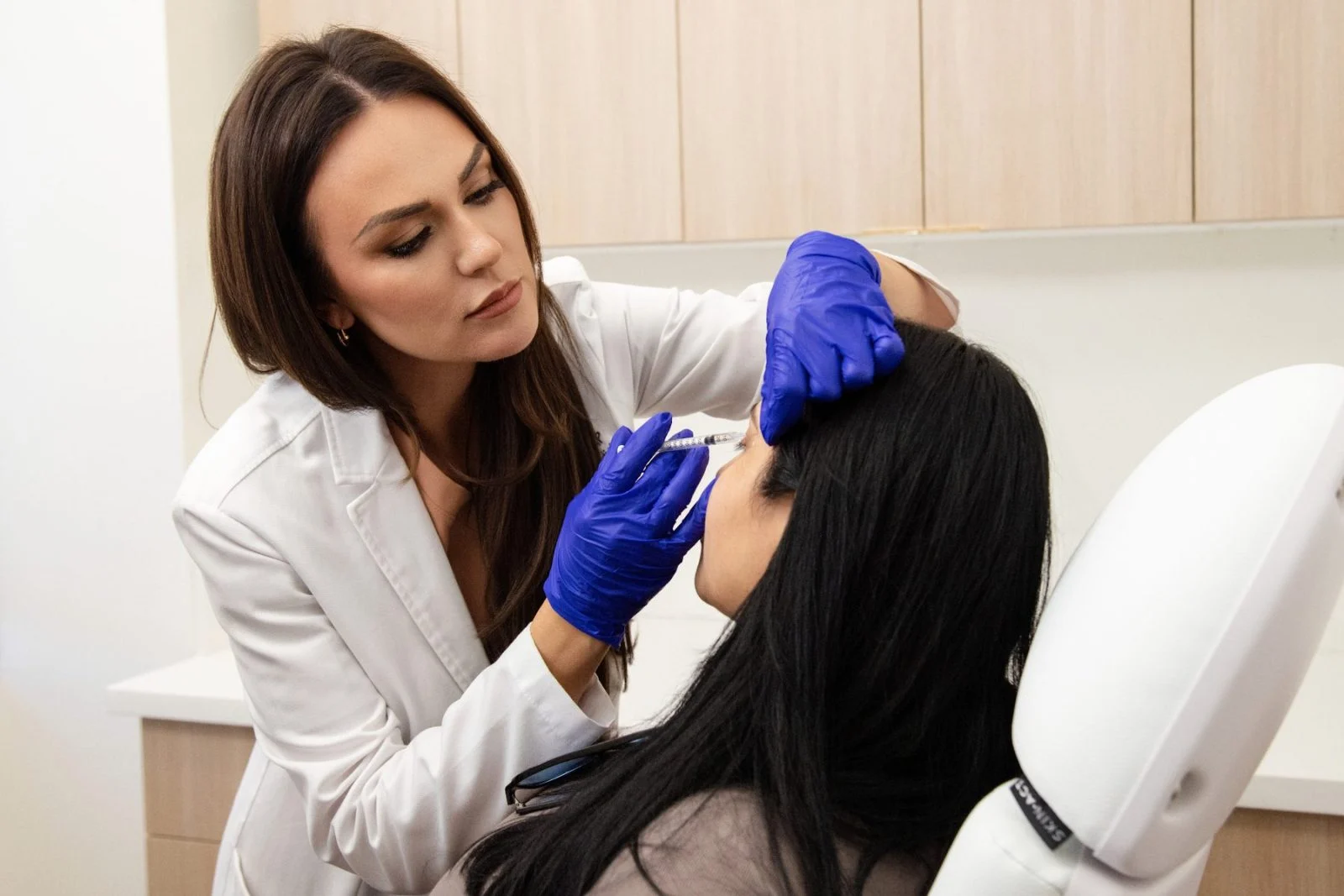
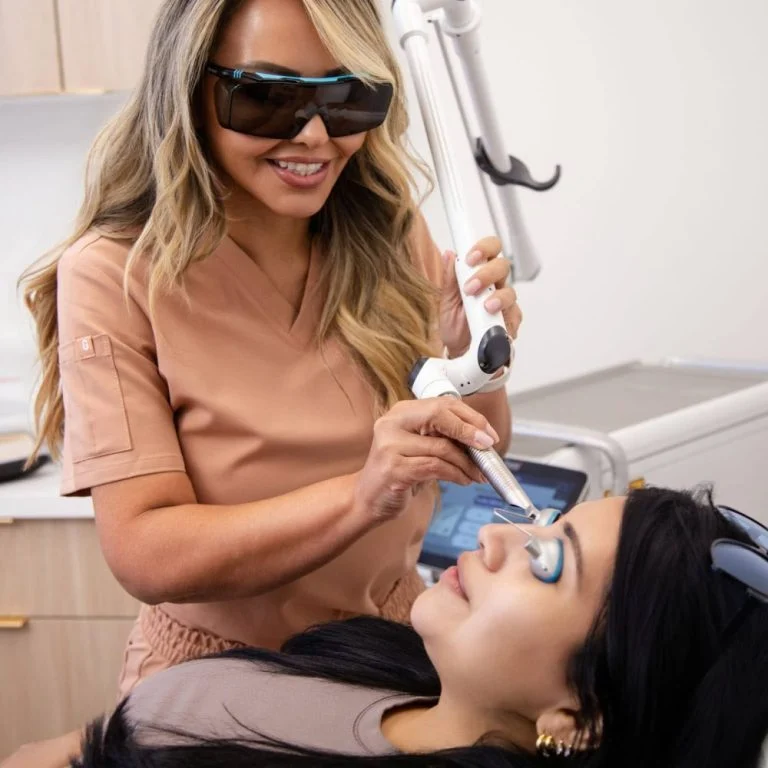
Patients rarely ask just one question about laser treatments. They usually come in with a cluster of concerns that all connect to the same thing: will this actually help, how uncomfortable is it, how much downtime will I need, and is it worth the cost? That is especially true with Fotona, because the name covers more than one treatment style and more than one skin concern.
If you have been researching Fotona Laser Treatments Encino, CA, you have probably seen it mentioned for skin resurfacing, tightening, acne scars, pigmentation, fine lines, and even treatments inside the mouth for collagen stimulation around the lower face. That range is part of the appeal, but it can also make the decision feel more confusing than it should.
The practical way to look at Fotona is this: it is a laser platform used for different protocols, and the right treatment depends less on marketing language and more on your skin type, your goals, and your tolerance for recovery. Some people want a refreshed look with minimal interruption to work and social plans. Others want a more aggressive result and are willing to trade a few days of redness for better texture and firmer skin. Both approaches can be reasonable. The details matter.
What exactly is Fotona?
Fotona is a laser system that uses specific wavelengths, most commonly Er:YAG and Nd:YAG, either separately or in sequence, depending on the treatment plan. That sounds technical, but the takeaway is simple. Different settings and handpieces allow a provider to target the skin in different ways, from gentle polishing and heat-based tightening to deeper resurfacing.
This is one reason people hear terms like “SmoothEye,” “4D,” “fractional resurfacing,” or “skin tightening” and assume they are all separate machines. Often, they are variations within the same platform. That flexibility is useful in a clinic setting because it allows treatment to be customized. It Fotona Laser Treatments Encino, CA also means two people can both say they had “Fotona” and have had very different experiences.
For example, someone with early crepey texture under the eyes may have a lighter collagen-stimulating treatment with modest redness and a quick return to normal activity. Someone else trying to soften acne scars and etched lines around the mouth may need a more ablative approach, with more visible recovery and a longer timeline before seeing final improvement.
Why do people in Encino ask about it so often?
Encino patients tend to be informed, busy, and realistic about what they want. Many are not looking for an obviously “done” result. They want skin that looks rested, smoother, tighter, or clearer without announcing that they had a procedure. That makes laser treatments particularly appealing, because they can improve the quality of the skin itself instead of only masking issues.
The local climate matters too. Southern California sun exposure adds up over time, even in people who are diligent about sunscreen now. Pigment irregularity, sun spots, visible pores, rough texture, and fine wrinkling often show up together. Fotona can be attractive in these cases because a provider may be able to address several of those concerns within the same overall treatment plan.
There is also the age range factor. Younger patients in their late twenties and thirties may come in because acne scarring or enlarged pores bother them more than lines do. Patients in their forties and fifties often ask about laxity around the jawline, crinkling around the eyes, and a tired quality to the skin that makeup does not fully fix. Older patients may be less interested in dramatic resurfacing than in measured improvement with less downtime. The system’s versatility fits that variety.
What skin concerns can Fotona actually help?
This is where a careful consultation is more important than the brand name. Fotona can be used to improve texture, stimulate collagen, soften fine lines, reduce certain types of pigmentation, and improve the appearance of acne scars. It may also help with mild to moderate laxity, especially when a protocol is designed around tightening rather than resurfacing alone.
That said, not every concern responds equally well. Deep melasma, for example, is often more complicated than patients expect. Some lasers can worsen it if used poorly or at the wrong time. Deeper static folds caused by volume loss may improve only modestly with skin tightening, because the root issue is not just skin surface quality. If someone has significant jowling or substantial eyelid laxity, surgery may provide a better structural result than any laser can.
The best outcomes happen when laser treatment is matched to the right problem. If your main issue is rough texture and sun damage, the improvement can be very satisfying. If your main issue is heavy lower face descent, expecting a laser to mimic a facelift will lead to disappointment.
Is Fotona good for all skin types?
This is one of the most important questions, and it deserves a nuanced answer. Some Fotona treatments can be suitable for a range of skin types, but the margin for error changes as skin tone deepens. In darker skin, inflammation can trigger post-inflammatory hyperpigmentation more easily. That does not mean treatment is off the table. It means settings, timing, pre-treatment skin conditioning, and provider judgment matter a great deal.
In real practice, this is where experience shows. A skilled provider does not just ask what bothers you. They look at your baseline redness, tan level, pigment tendency, sensitivity, prior reactions to peels or lasers, active breakouts, and even how disciplined you are likely to be with sunscreen afterward. A technically correct treatment can still become a frustrating experience if aftercare is ignored.
People often want a yes or no answer, but the honest answer is that suitability depends on the specific protocol being recommended. A conservative tightening treatment is not the same risk profile as a more aggressive ablative resurfacing session.
What does the treatment feel like?
The short version is that discomfort ranges from very tolerable to moderately intense, depending on the settings. A light treatment may feel like warmth, quick snaps, or prickling. A stronger resurfacing treatment can feel much sharper and usually benefits from topical numbing, cooling, or both.
Patients often compare milder sessions to repeated rubber-band snaps with heat layered underneath. More aggressive passes can feel more stinging and raw, especially around the mouth, nose, and under-eye area, where skin is thinner and nerves are more noticeable. Those areas are often the most rewarding to treat, but they are not the areas people call “relaxing.”
One thing worth knowing is that the anticipation is usually worse than the actual experience. Once the provider starts, most people settle in quickly because they can tell the session is controlled and finite. A full-face treatment can vary in length, but many sessions fall somewhere between 20 and 60 minutes, depending on whether numbing time and multiple treatment modes are included.
How much downtime should you expect?
Downtime is not one fixed number because “Fotona” can describe very different intensities of treatment. This is where many misunderstandings start. Someone hears a friend say she had Fotona and was back out to dinner the same night, then books a stronger resurfacing session and is surprised by several days of visible redness and peeling.
A light collagen-stimulating session may leave you pink for a day or two, with mild dryness and a warm sensation that fades quickly. Makeup is sometimes possible within a day, depending on the treatment and your provider’s instructions. A more intensive resurfacing treatment can create several days of redness, bronzing, swelling, and texture changes while the skin renews itself. In some cases, the skin feels rough or “sandpapery” before it smooths out.
The social downtime matters more than the technical downtime. You may be medically fine to resume normal activity, but if you have an important meeting, family photos, or a weekend event, you may not want to be in the middle of the peeling phase. Patients who do best usually plan around their calendar rather than squeezing laser treatment into the week before something important.
When do results show up?
Some improvements appear quickly. Skin can look brighter and feel smoother once the initial recovery settles, often within one to two weeks for lighter treatments. Collagen remodeling, however, takes longer. Tightening and gradual softening of fine lines often build over several weeks to months.
That delayed payoff can be hard for patients who are used to injectables, where changes are often visible faster. Laser results are different. The best ones tend to look like your skin became healthier, more refined, and better supported, not like a dramatic overnight shift. It is subtler at first, then more evident when you compare before-and-after photos taken under similar lighting.
Acne scars and deeper textural changes are usually the slowest category. Improvements are real, but they tend to accumulate over a series of treatments rather than a single visit. That is another place where honest counseling matters. Overpromising is easy in this field. Understated, well-planned treatment usually serves patients better.
How many sessions are usually needed?
There is no universal answer, but a realistic range helps. For mild rejuvenation or maintenance, some patients do a series of two to four treatments spaced weeks apart, then periodic maintenance. For acne scars or more significant textural concerns, a longer series may be recommended. For higher-intensity resurfacing, fewer sessions may be needed, but recovery is usually more noticeable.
This is one of the classic trade-offs in aesthetic medicine. Less downtime often means more sessions. More aggressive treatment may mean fewer sessions, but a rougher healing period. Neither path is automatically better. It depends on your schedule, budget, skin sensitivity, and goals.
A patient with a public-facing job may prefer several gentler visits because taking five to seven visible recovery days is not realistic. Someone working from home may choose one stronger session because they would rather get more change at once and be done.
Is Fotona safe around the eyes and mouth?
These are common treatment areas because they show age early. Fine lines around the eyes and the etched vertical lines around the lips are notoriously difficult to treat with creams alone. Fotona protocols are often used in these areas, but this is also where precision matters most.
The skin is thinner, the anatomy is more delicate, and expectations can be tricky. A modest improvement in under-eye crepiness can make a person look much less tired, but no laser can fully erase dynamic lines caused by years of facial expression. Around the mouth, laser resurfacing can soften smoker’s lines and improve texture, but if there is also volume loss or lip border collapse, combining treatments may produce a better overall result.
When treating near the eyes, proper protection is not optional. Reputable providers use appropriate ocular shielding and strict safety protocols. If a consultation feels casual about laser eye safety, that is not a small issue.
What should you do before treatment?
Preparation affects outcome more than many people realize. Tanned skin is generally a problem, not a badge of good health. Recent sun exposure raises the risk of unwanted pigment changes. Active irritation, retinoid overuse, inflamed acne, or a compromised skin barrier can also make treatment less predictable.
A sensible pre-treatment discussion usually covers medications, history of cold sores, previous laser reactions, skin care products, and timing around travel or events. If you are prone to herpes simplex outbreaks around the mouth, a provider may prescribe antiviral medication before certain treatments. That is not alarmist. It is standard prevention.
For many patients, the most useful pre-treatment steps are simple:
- Avoid sun exposure and self-tanner before your appointment.
- Pause irritating products if your provider recommends it, especially strong acids or retinoids.
- Arrive with clean skin and realistic expectations.
- Plan your calendar so recovery does not collide with important events.
- Follow medication instructions exactly, including any antiviral or post-care prescriptions.
None of that is glamorous, but it can make the difference between a smooth recovery and an unnecessarily stressful one.
What does aftercare look like?
Aftercare is not complicated, but it is specific. The skin needs support, not experimentation. This is not the time to try a trendy exfoliant, a new vitamin C serum, or an at-home peel because you are excited about “boosting” the result. Freshly treated skin is reactive, and overdoing it can provoke irritation or pigmentation issues.
Most providers recommend gentle cleansing, barrier-supportive moisturizers, strict sun protection, and temporary avoidance of heat, sweating, and active skin care ingredients while the skin heals. The exact timeline depends on treatment depth. Some patients can resume their normal routine quickly. Others need a more basic regimen for several days.
One practical detail people appreciate hearing ahead of time is that the skin may look worse before it looks better. It can be red, rough, slightly swollen, or bronzed during the renewal phase. That is not necessarily a sign something went wrong. It is often part of the process. Good aftercare helps you move through that phase with fewer surprises.
How does Fotona compare with other laser options?
Patients shopping in the Encino area often compare Fotona with Fraxel-type treatments, CO2 lasers, RF microneedling, and broad “skin tightening” categories they see online. The right comparison depends on what you are trying to fix.
Fotona can occupy a useful middle ground. It may offer meaningful resurfacing or tightening without always requiring the recovery profile associated with more aggressive fully ablative lasers. At the same time, if someone truly needs deep resurfacing for severe wrinkles or scars, a stronger modality may be discussed. On the opposite end, if the issue is mostly mild laxity and the patient wants almost no visible downtime, a different energy-based treatment might be a better fit.
This is the part many clinics oversimplify. No single device is best at everything. A platform becomes valuable when the provider knows where it excels, where it is merely adequate, and where another option would serve the patient better.
Can Fotona replace Botox or fillers?
Usually, no. It can complement them well, but it does not replace them in most cases.
Botox addresses muscle movement that causes expression lines. Fillers restore or support volume where tissue has thinned or shifted. Laser improves surface quality, pigment, texture, and some degree of tightening. Those are different jobs. Patients sometimes hope one treatment will spare them from every other option, but facial aging is multi-layered. Skin, fat, muscle, and bone all play a role.
That said, laser can reduce how much of other treatments you feel you need. A face with smoother texture, less mottled pigment, and firmer skin often looks substantially younger even before volume correction is considered. For some people, that is enough. For others, combining modalities thoughtfully creates the most balanced result.
How much do Fotona Laser Treatments Encino, CA typically cost?
Pricing varies widely based on the treatment area, the complexity of the protocol, whether a series is recommended, and the expertise of the provider. A light, focused treatment for a small area is not priced like a full-face, multi-step session. In the Encino market, where experience levels and practice models vary, quotes can differ meaningfully.
Be cautious with bargain pricing. Laser treatment is operator-dependent. A lower price may reflect a shorter session, less customized settings, older technique, or less experienced oversight. That does not mean the highest quote is automatically the best either. The goal is value, not just price. You are paying for judgment, safety, and the ability to manage your skin well before, during, and after the procedure.
When comparing consultations, ask what is actually included. Some practices quote per session, others package a series, and some include follow-up care while others do not. Clarity upfront prevents resentment later.
Who is a strong candidate?
The strongest candidates are not always the ones with the fewest flaws. They are the ones whose concerns match what the treatment can realistically improve. They understand that skin remodeling is a process, not a magic trick, and they are willing to protect their investment with diligent aftercare and sun avoidance.
In practice, good candidates often share a few traits. They want improvement rather than perfection. They can tolerate a short period where their skin may look pink or flaky. They do not have an active tan, a severe untreated skin condition, or a major event on the calendar in the immediate recovery window. They are also open to hearing that another treatment, or a combination approach, might make more sense.
A less ideal candidate is someone seeking dramatic lifting from a non-surgical treatment, someone unable to avoid sun exposure afterward, or someone who tends to pick at healing skin. Those issues do not make a person “bad” for treatment, but they increase the odds of frustration.
What questions should you ask at your consultation?
The best consultations are not sales presentations. They are conversations that narrow the gap between what you want and what the technology can deliver. If you are considering Fotona Laser Treatments Encino, CA, ask how often the provider performs your specific protocol, what kind of recovery is typical for your skin type, how many sessions they think you may need, and what they would recommend if you were their family member rather than a prospective patient.
You should also ask to see before-and-after photos of patients with concerns similar to yours, not just the best dramatic results in the portfolio. Photos of mild sun damage do not tell you much if your main concern is acne scarring. Likewise, if your priority is under-eye crepiness, ask for examples in that exact area.
One of the most revealing questions is this: what are the limitations of this treatment for me? A thoughtful answer usually signals a thoughtful provider.
The bottom line patients usually care about
Most people are not asking whether the technology is sophisticated. They want to know whether they will look better in a way that feels worth the time, money, and recovery. For the right patient, the answer can absolutely be yes. Fotona has earned attention because it offers flexibility and can deliver visible improvement in texture, tone, and early laxity with treatment plans that can be adjusted to different comfort levels and schedules.
But the machine is only part of the story. Outcomes depend on the protocol chosen, the honesty of the consultation, the discipline of aftercare, and whether the treatment was selected for the right reason in the first place. If you are exploring Fotona Laser Treatments Encino, CA, the smart move is not chasing the flashiest promise. It is finding a provider who can explain the trade-offs clearly, tailor the approach to your skin, and tell you, without hedging, when Fotona is a strong choice and when it is not.
OMNIA Wellness Center
Address: 16430 Ventura Blvd Ste 207, Encino, CA 91436
Phone number: +18183868511
FAQ About Fotona Laser Treatments Encino, CA
What is a Fotona laser good for?
A Fotona Laser system is a versatile, dual-wavelength medical laser used primarily for non-surgical skin tightening, anti-aging rejuvenation, and dermatological treatments.
How much does the Fotona laser cost?
The cost of a Fotona laser depends heavily on whether you are looking to purchase a laser machine for a medical practice or are a patient seeking a laser treatment at a medspa.
Is a Fotona laser worth it?
A Fotona laser treatment is generally worth it if you want non-surgical skin tightening, improved texture, and collagen stimulation with very little downtime.